Success Strategy
by Roger Martin
📖 About the book
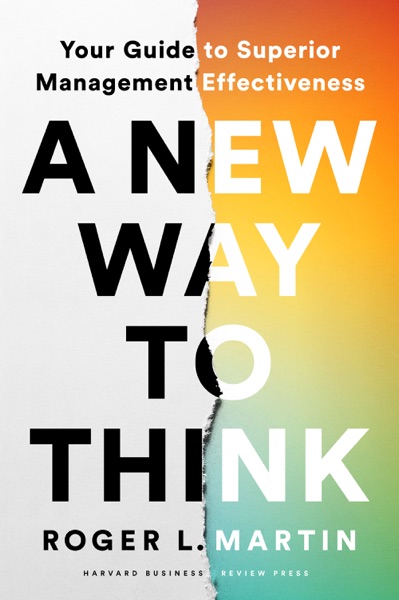
Success Strategy (drawing from Roger Martin's broader work on integrative thinking and strategic choice) argues that strategy is not a complex planning exercise but a simple set of choices about how to win. Martin, a world-leading management thinker and former Dean of the Rotman School of Management, contends that most companies fail because they mistake 'visioning' or 'budgeting' for strategy. This work serves as a practical guide for leaders to make the Hard Strategic Choices that differentiate their firm from the competition and create unique value.
The core methodology is based on the Strategy Choice Cascade, which asks five critical questions: What is our winning aspiration? Where will we play? How will we win? What capabilities must we have? What management systems are required? Martin emphasizes the importance of Strategic Trade-offs, arguing that if your strategy doesn't explicitly state what you will *not* do, you don't have a strategy at all. He also introduces 'Integrative Thinking'—the ability to hold two conflicting ideas in mind and reach a superior synthesis rather than choosing a mediocre compromise.
This is essential reading for CEOs, business unit heads, and strategic consultants. Readers gain concrete value by learning how to simplify their planning process and focus on the 'Where to Play' and 'How to Win' choices that drive 90% of results. Practical applications include utilizing Reverse Strategic Engineering to test the assumptions behind a plan and redesigning organizational structures to support core capabilities. By following Martin’s logic, leaders can develop a clear, defensible, and highly effective strategy that empowers the entire workforce to execute with confidence.
💡 Key takeaways
Utilize the Strategy Choice Cascade to ensure that your winning aspiration is backed by specific, coordinated choices about where to play and how to win in your market.
Make Hard Strategic Trade-offs by clearly identifying the customer segments and product areas you will *not* pursue, allowing you to concentrate your best resources for dominance.
Practice Integrative Thinking to resolve complex strategic dilemmas by seeking a creative third option that combines the benefits of conflicting views without the drawbacks of compromise.