Portfolio Management
by BCG Matrix
📖 About the book
Portfolio Management (focusing on the BCG Matrix developed by Bruce Henderson and the Boston Consulting Group) is the foundational methodology for managing a diversified corporation. In the 1970s, BCG introduced a simple yet profound visual tool that transformed how executives view the allocation of capital and talent across multiple business units. This approach moved strategy from a vague exercise in optimism to a rigorous, data-driven assessment of market growth and relative competitive strength.
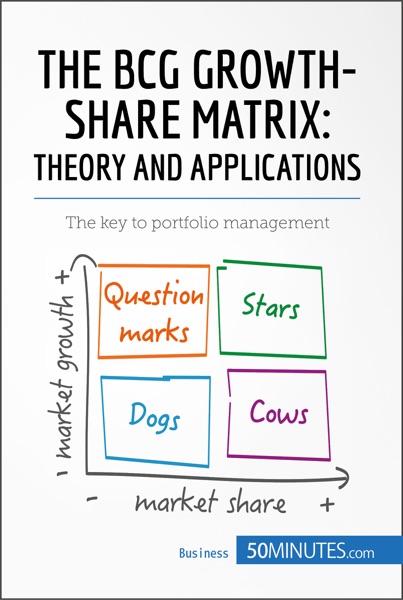
The central framework is the Growth-Share Matrix, which categorizes business units into four quadrants: Stars (high growth, high share), Cash Cows (low growth, high share), Question Marks (high growth, low share), and Dogs (low growth, low share). The methodology emphasizes the importance of Cash Flow Balancing, arguing that the primary role of the corporate center is to harvest cash from mature units (Cows) to fund the growth of future leaders (Stars and Question Marks). It provides a clear logic for divestment, stating that units in unattractive markets with low share (Dogs) should be liquidated or sold.
Essential for corporate development officers, investment analysts, and senior executives. Readers gain concrete value by learning how to avoid the trap of 'subsidizing mediocrity' by over-investing in failing units. Practical applications include utilizing the Portfolio Audit to identify strategic gaps and redesigning capital allocation processes to favor high-potential growth opportunities. By mastering the logic of the BCG Matrix, leaders can build a balanced and resilient corporate portfolio that ensures consistent profitability across multiple market cycles.
💡 Key takeaways
Utilize the Growth-Share Matrix to objectively categorize your business units and identify which ones are generators of cash versus those that require strategic investment.
Optimize your Resource Allocation by harvesting profits from 'Cash Cows' and reinvesting them into 'Stars' and high-potential 'Question Marks' to secure future market dominance.
Execute a disciplined Divestment Strategy by identifying 'Dogs'—units with low market share in stagnant industries—and reallocating their resources to more attractive strategic opportunities.