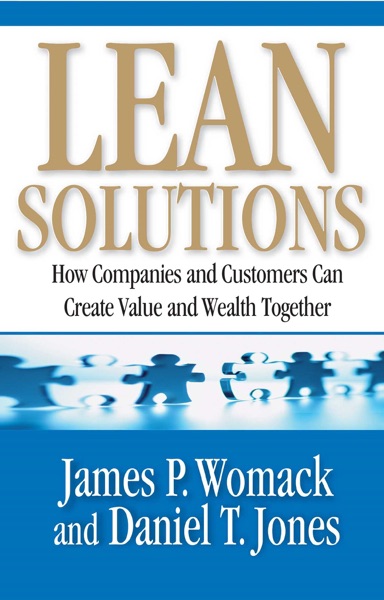
Lean Production
by James Womack
📖 About the book
Lean Production by James Womack, often associated with his landmark study 'The Machine That Changed the World' (1990), introduced the global business community to the revolutionary manufacturing techniques used by Toyota. Womack, a researcher at MIT, coined the term 'Lean' to describe a system that uses less of everything—human effort, manufacturing space, and time—to produce products with fewer defects. This work shifted the global paradigm from mass production to a more agile, quality-focused model that remains the standard for operational excellence.
The book details the Five Principles of Lean: define value, map the value stream, create flow, establish pull, and seek perfection. Womack emphasizes the importance of Waste Elimination (Muda), identifying that any activity that does not add value from the customer's perspective is a cost that must be removed. He introduces the concept of the Lean Enterprise, arguing that these principles must extend beyond the factory floor into the entire supply chain and administrative processes to achieve a true competitive advantage and sustainable growth.
This is essential reading for operations managers, supply chain specialists, and CEOs looking to improve efficiency. Readers gain value by learning how to identify hidden bottlenecks and reduce lead times through systemic process improvement. Practical applications include conducting Value Stream Mapping exercises and implementing 'Pull' systems to synchronize production with actual demand. By mastering Lean production, organizations can deliver higher quality products faster and at a significantly lower cost than their mass-production rivals.
💡 Key takeaways
Utilize Value Stream Mapping to visualize the entire production process and identify non-value-adding activities that can be eliminated to reduce waste.
Implement a Pull System to ensure that production is triggered only by actual customer orders, preventing the dangerous accumulation of excess inventory.
Foster a culture of Seeking Perfection by empowering every employee to contribute to continuous, incremental improvements in their specific work areas.