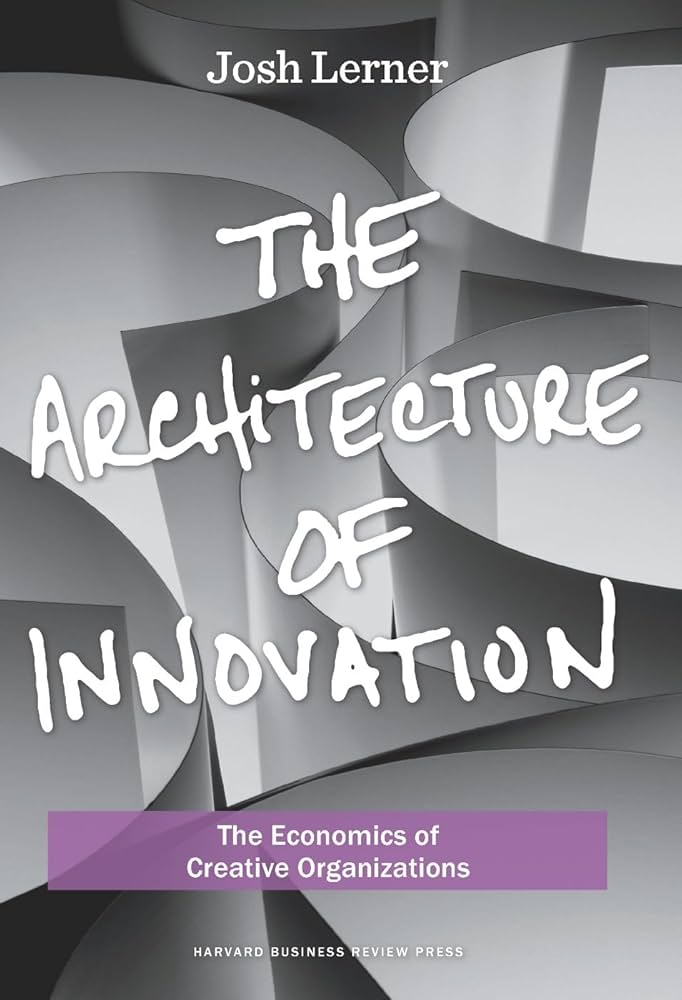
Innovation Architecture
by David Teece
📖 About the book
Innovation Architecture (reflecting the work on Dynamic Capabilities) by David Teece is a foundational text for understanding how firms sustain a competitive advantage in a world of constant change. Teece, an economist and professor at UC Berkeley, argues that static resources—like size or patents—are no longer enough. To survive, a company must possess an internal architecture capable of Dynamic Reconfiguration, allowing it to rapidly adapt its resources and competencies to match the shifting technological and market landscape.
The core framework centers on three primary dynamic capabilities: Sensing (identifying opportunities and threats), Seizing (mobilizing resources to capture value), and Transforming (reconfiguring organizational assets). Teece explains how a firm’s Organizational Architecture—its decision-making processes, culture, and external networks—determines its ability to innovate. He highlights the importance of Entrepreneurial Management within large firms and the role of 'ecosystem orchestration' in building a defensible market position in a highly interconnected global economy.
This is essential reading for corporate strategists, economists, and senior technology leaders. Readers gain concrete value by learning how to move beyond simple cost-efficiency toward Strategic Agility. Practical applications include utilizing Scenario Analysis for environmental scanning and redesigning R&D processes to favor 'open innovation.' By mastering Teece’s innovation architecture, leaders can build organizations that are not just efficient today, but structurally capable of inventing and dominating the markets of tomorrow.
💡 Key takeaways
Cultivate your organization’s Sensing Capabilities by systematically monitoring global technological trends and shifting customer needs to identify emerging market threats.
Enhance your ability to Seize Opportunities by decentralizing authority and creating agile resource-allocation mechanisms that allow for rapid strategic pivots.
Invest in Dynamic Reconfiguration of your company's internal assets and external partnerships to ensure that your organizational structure remains aligned with a volatile market.